
Transitions can be exciting for adults, but for children they can feel deeply uncertain.
A new classroom, teacher, routine, friendship group, or school environment asks the nervous system to process unfamiliarity. Even positive change can activate stress responses in the body.
This is why many children begin showing signs of overwhelm before transition day arrives.
Common signs of transition stress
- Difficulty sleeping
- Increased emotional reactions
- Clinginess
- Withdrawal
- Irritability
- Physical complaints such as headaches or tummy aches
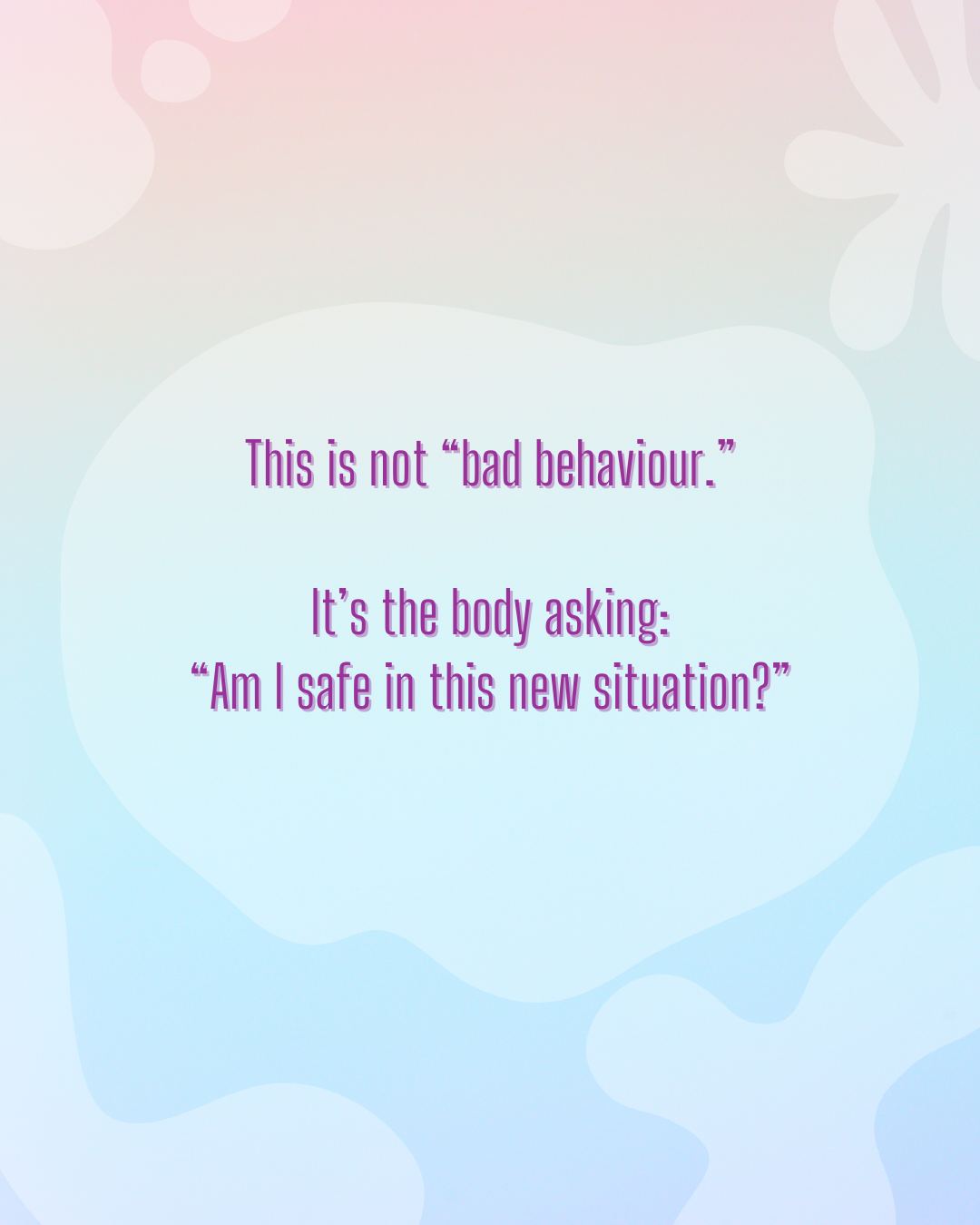
These responses are not attention-seeking or “bad behaviour.” They are communication from the nervous system.
What children need most
Children need emotional safety before they can confidently adapt to change.
Helpful strategies include:
- Maintaining predictable routines
- Talking through upcoming changes gradually
- Using visual schedules or countdowns
- Practising calming breathing techniques together
- Validating emotions without rushing to fix them
Supporting the nervous system
Breathwork can be particularly helpful during transitions because it gives children a practical tool they can carry with them into unfamiliar situations.
Simple breathing exercises support emotional regulation, body awareness, and a sense of control during periods of uncertainty.
Transitions are not just academic milestones.
They are emotional experiences too.
And with the right support, children can move through them feeling safe, capable, and connected.
Leave a Reply